
Carbon Steel vs Stainless Steel Pans – Which Should You Choose?
If you’re looking to upgrade your cookware, one of the most common questions is whether to choose carbon steel or stainless steel frying pans.
Both materials are widely used in professional kitchens and both work beautifully on modern induction hobs. The difference comes down to how they cook, how they’re maintained, and what you enjoy cooking most.
At Simmer & Slice, we stock excellent examples of both. Our carbon steel pans from de Buyer (Mineral B) offer classic performance, while our stainless steel ranges include Scanpan Impact, Scanpan Fusion 5, Kuhn Rikon Allround, De Buyer Affinity and the stylish Robert Welch 316 series.
So which is best for your kitchen? Let’s take a look.
What Is a Carbon Steel Frying Pan?
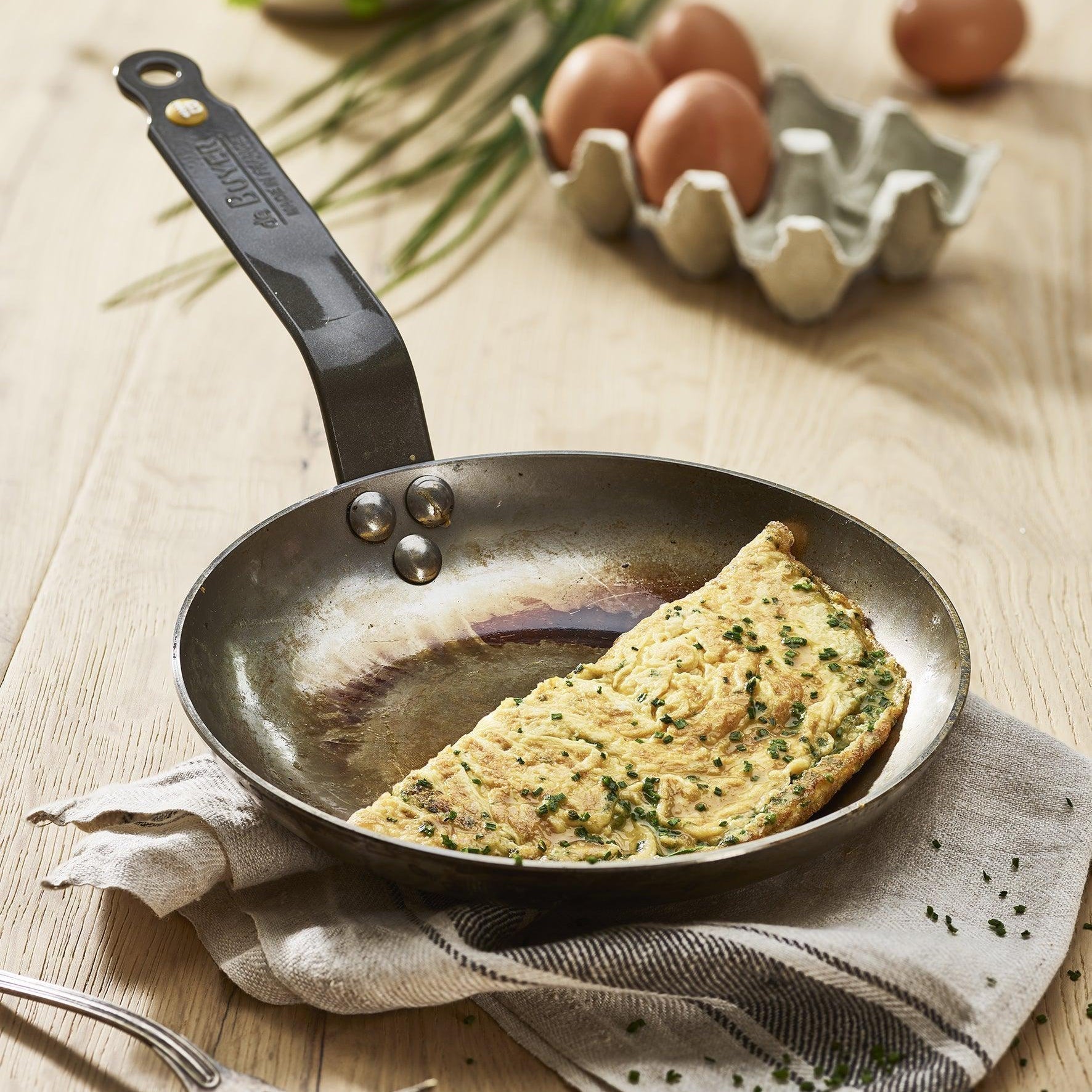
Carbon steel sits somewhere between stainless steel and cast iron. It’s made from iron and carbon, which makes it strong, naturally magnetic and ideal for induction hobs.
One of the best-known examples is the de Buyer Mineral B range, which has become a favourite with chefs and serious home cooks.
Why cooks love carbon steel
-
Excellent heat responsiveness
-
Fantastic for searing meat
-
Develops a natural non-stick surface with seasoning
-
Extremely durable and long-lasting
Over time, a carbon steel pan develops a dark patina through seasoning. This improves the non-stick performance and gives the pan its character.
The only downside
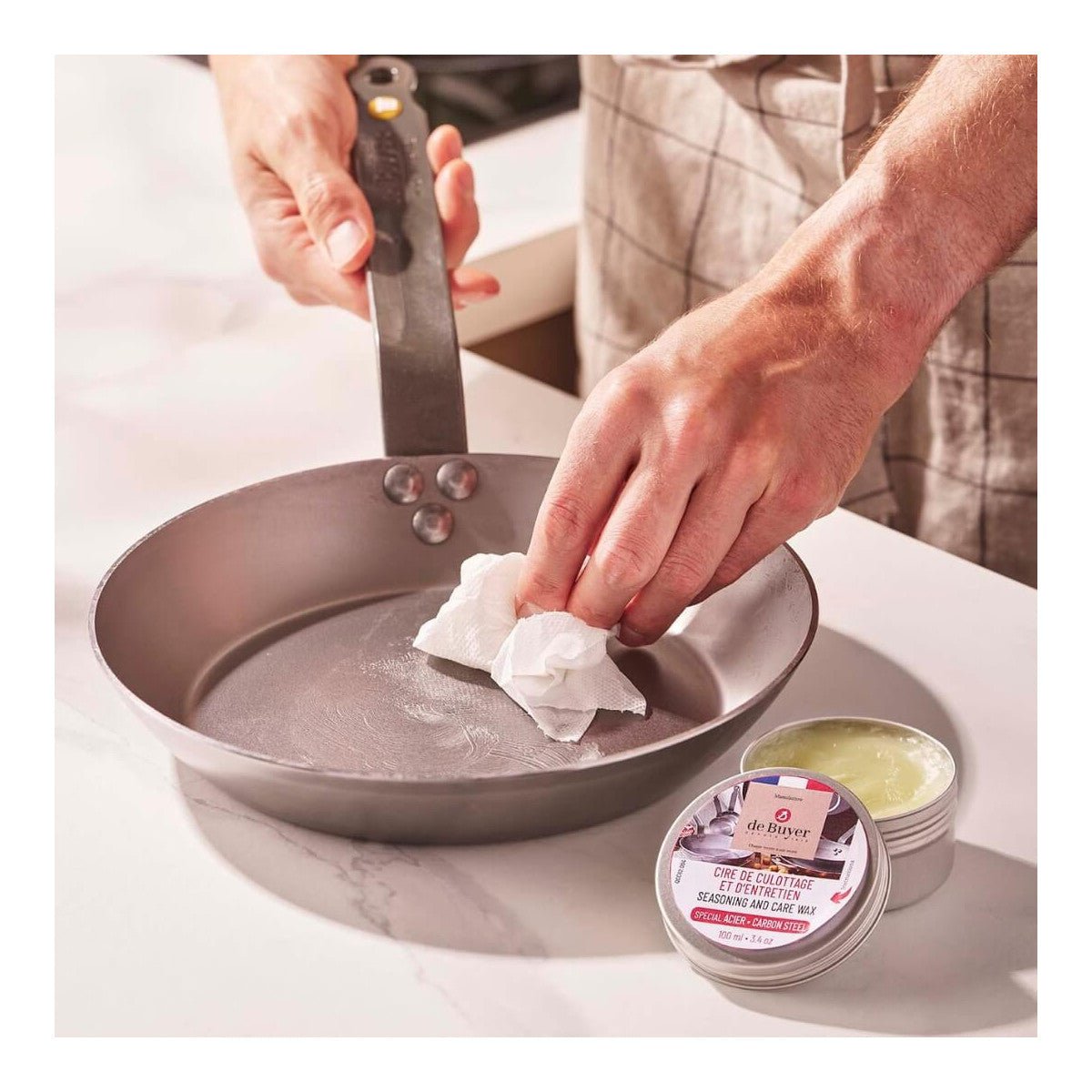
Carbon steel requires a little care. It needs to be seasoned and dried properly after washing, and it’s not suitable for soaking in water or dishwashers. It's worthwhile adding some seasoning wax for ease and care.
But many cooks feel the performance more than makes up for the extra attention.
Best for: steaks, fried eggs, sautéing vegetables and high-heat cooking.
What Is a Stainless Steel Frying Pan?
Stainless steel cookware is prized for its durability, versatility and ease of use.
Unlike carbon steel, stainless steel pans usually feature multi-layer construction, combining stainless steel with aluminium or copper cores to improve heat distribution.
At Simmer & Slice we offer several excellent stainless steel ranges including:
Each offers slightly different construction and design, but they all provide excellent cooking performance on induction hobs.
Why stainless steel is so popular
-
Extremely durable
-
Resistant to rust and staining
-
Dishwasher safe (in most cases)
-
Great for sauces and deglazing
Stainless steel pans are particularly good for browning meat and creating flavourful sauces, because the surface encourages caramelisation.
Best for: everyday cooking, sauces, sautéing and general use.
Carbon Steel vs Stainless Steel – Key Differences
1. Non-stick performance
Carbon steel becomes naturally non-stick once seasoned. This makes it fantastic for foods like eggs or pancakes.
Stainless steel is not non-stick, but with the right technique and enough heat it can still cook delicate foods very well.
2. Maintenance
Carbon steel requires seasoning and a bit of care.
Stainless steel is much easier to maintain and generally safe for dishwashers.
3. Cooking style
Carbon steel excels at high-heat cooking and searing.
Stainless steel is incredibly versatile and works well for everything from frying to simmering sauces.
4. Appearance
Carbon steel pans develop a dark, well-used patina over time.
Stainless steel cookware keeps its clean, polished appearance. Ranges like Robert Welch 316 and De Buyer Affinity are particularly striking in modern kitchens.
Which One Should You Choose?
The best choice really depends on how you cook.
Choose carbon steel if you:
-
love cooking steaks or fried eggs
-
want a naturally non-stick surface
-
enjoy traditional cookware that improves with use
Choose stainless steel if you:
-
want something low maintenance
-
cook sauces and sautéed dishes regularly
-
prefer a polished, modern look
Why Many Cooks Use Both
In reality, many serious home cooks use both types of pan.
A typical kitchen setup might include:
-
de Buyer Mineral B carbon steel for high-heat cooking
-
a stainless steel pan such as Scanpan Fusion 5 or Robert Welch 316 for everyday meals and sauces
Having both gives you the flexibility to cook almost anything.
Our Thoughts
Both carbon steel and stainless steel pans are excellent choices for modern kitchens.
Carbon steel offers incredible searing power and develops natural non-stick performance over time. Stainless steel provides versatility, durability and low-maintenance cooking.
With quality cookware ranges like de Buyer Mineral B, Scanpan Impact, Scanpan Fusion 5, Kuhn Rikon Allround, De Buyer Affinity and Robert Welch 316, you can be confident you’re choosing pans that will perform beautifully for years to come.
Simmer & Slice - The Cookshop - Trentham - Stoke on Trent